


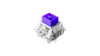





키보드 소리를 더욱 부드럽게 만들려면 날카로운 타격음을 줄이고, 스위치 긁힘 소리를 완화하고, 스테빌라이저의 덜컹거림을 제어하고, 케이스 내부의 공명음을 줄여야 합니다. 부드러운 키보드 소리는 일반적으로 얇거나, 핑거리거나, 거친 소리가 아닌 둥글고 부드러운 느낌을 줍니다.
소음은 한 부분에서만 발생하는 것이 아닙니다. 스위치, 스테빌라이저, 폼, 장착 방식, 키캡, 책상 표면 등 모든 요소가 소리에 영향을 미칩니다. 먼저 몇 분 안에 테스트할 수 있는 간단한 변경부터 시작하고, 그다음 키보드에 맞는 스위치, 스테빌라이저, 폼을 적용해 보세요.
키보드 소리를 바꾸는 요소는 무엇일까요?
부품을 구매하기 전에 어떤 소리 문제를 해결하고 싶은지 정확히 파악하세요. 얇은 자판 소리, 덜컹거리는 스페이스바 소리, 속이 빈 듯한 케이스 울림 소리는 각각 원인이 다르므로 해결 방법도 다릅니다.
부드러운 소리와 둔탁한 키보드 소리 겹치는 부분이 있을 수 있지만, 동일한 목표는 아닙니다. 크리미한 소리는 일반적으로 더 부드럽고 둥근 소리를 의미하며, 톡 쏘는 소리는 일반적으로 더 깊고 무거운 음색을 나타냅니다.
스위치 및 안정기
스위치는 키를 누를 때 처음 들리는 소리를 결정짓는 요소입니다. 모든 키 입력은 스템, 스프링, 하우징, 그리고 바닥까지 눌리는 지점에서 시작되기 때문입니다. 부드러운 리니어 스위치는 클릭감이 없고 깔끔한 키감을 제공하여 부드러운 소리를 내는 데 적합합니다. 택타일 스위치 역시 좋은 소리를 낼 수 있지만, 키감이 주는 질감이 더해져 더욱 풍부한 소리를 만들어냅니다.
스테빌라이저는 큰 키, 특히 스페이스바, 엔터, 시프트, 백스페이스 키에 가장 중요한 역할을 합니다. 스테빌라이저는 키의 수평을 유지하는 데 도움을 줍니다. 스테빌라이저 케이블이 헐거워지거나 건조해지면 이러한 키에서 딸깍거리는 소리, 덜컹거리는 소리가 나거나 문자 키보다 날카로운 소리가 날 수 있습니다. 키보드 스위치가 아무리 부드럽더라도 스테빌라이저 조정이 제대로 되지 않으면 소리가 고르지 않게 들릴 수 있습니다.
폼 및 장착 방식
폼은 케이스를 통해 소리가 전달되는 방식을 변화시킵니다. 플레이트 폼, 케이스 폼, 스위치 패드, 그리고 바닥 폼은 빈 케이스에서 발생하는 울림을 줄이고 고음역대의 공명을 부드럽게 해줍니다. 폼은 키보드에서 속이 빈 듯한 소리가 날 때 유용하지만, 너무 많은 폼은 키보드를 딱딱하거나 밋밋하게 만들 수 있습니다.
장착 방식은 진동에 영향을 미칩니다. 가스켓 장착 방식은 플레이트 어셈블리를 완충하여 프레스 작동감을 부드럽게 하고 강한 진동을 줄여줍니다. 트레이 장착 방식은 플레이트나 PCB가 케이스에 직접 연결되기 때문에 일반적으로 더 견고한 느낌을 줍니다. 어느 방식이 무조건 더 좋다고 할 수는 없습니다. 적절한 선택은 원하는 소리와 느낌에 따라 달라집니다.
키캡과 책상 표면
키캡은 음색과 음량을 변화시킵니다. 두꺼운 PBT 키캡은 얇은 키캡보다 풍부한 소리를 내는 경우가 많으며, 높이가 높은 키캡은 음색과 손에 쥐었을 때의 감촉을 바꿀 수 있습니다. 하지만 정확한 결과는 스위치와 케이스에 따라 달라집니다.
책상 표면도 중요합니다. 나무, 금속 또는 유리로 된 맨 책상은 소리를 반사하여 키보드 소리가 더 크게 느껴지게 할 수 있습니다. 책상 매트를 사용하면 키보드 내부를 변경하기 전에 진동을 흡수하고 소리를 줄일 수 있습니다.
키보드를 분해하지 않고 소리를 개선하는 방법은 무엇일까요?
키보드 외부부터 먼저 점검해 보세요. 이러한 변경 사항은 비용이 저렴하고 원상 복구가 가능하며, 키보드 내부 조정이 필요한지 판단하기 전에 기준점으로 활용하기에 좋습니다.
책상 매트 추가하기
책상 매트는 키보드 소음을 줄이는 데 효과적인 방법 중 하나입니다. 키보드 아래에 깔면 책상에서 반사되는 소음을 줄여줍니다. 키보드 스위치 자체를 바꾸는 것은 아니지만, 조용한 방에서 타자 소리를 부드럽게 만들어 줄 수 있습니다.
얇은 매트는 책상 반사를 줄여줄 수 있습니다. 두꺼운 매트는 일반적으로 책상 진동을 더 많이 흡수합니다.
키보드 받침대와 책상과의 접촉 상태 확인
키보드 받침대는 키보드가 책상에 닿는 방식을 결정하기 때문에 소리에 영향을 미칩니다. 받침대 하나가 고르지 않으면 키보드 케이스가 약간 흔들리면서 진동이 더해질 수 있습니다. 키보드가 딱딱한 표면에 직접 닿으면 책상이 키를 누를 때 나는 소리를 증폭시킬 수 있습니다.
모든 고무 받침대가 책상에 고르게 닿는지 확인하세요. 키보드를 평평하게 놓고, 받침대 높이 조절 기능이 있다면 약간 높여서 놓아보세요. 한쪽 각도에서 소리가 더 날카롭게 들린다면, 안정적이고 소리가 더 잘 제어되는 각도를 사용하세요.
테스트 전후 녹화
부품을 교체하기 전에 간단한 테스트를 녹음하세요. 매번 같은 전화기, 거리, 그리고 입력하는 문장을 사용하세요. 간단한 테스트를 통해 키보드 소리 변화를 타이핑 중에 잘못 판단하기 쉬운 문제를 방지할 수 있습니다.
문자 키와 큰 키는 따로 녹음하세요. 스페이스바는 알파벳 키와는 다른 방식으로 조정해야 할 수도 있습니다. 문자 키는 부드러운 소리가 나는데 스페이스바가 헐렁하게 들린다면, 스펀지를 추가하기보다는 스테빌라이저 튜닝부터 시작하세요.
키보드 소리를 더 부드럽게 만드는 방법은 무엇인가요?
책상 소음이 제어되면 이제 손가락이 실제로 닿는 부분으로 넘어가세요. 스위치, 스테빌라이저, 키캡은 누르는 느낌, 착지감, 소리를 변화시키므로 일반적으로 케이스를 더 자세히 살펴보기 전에 먼저 고려해야 합니다.
더욱 부드러운 스위치 선택하기
부드러운 스위치를 선택하는 것은 크리미한 타건음을 만드는 가장 직접적인 방법 중 하나입니다. 안정적인 하우징, 부드러운 스템 이동, 제어된 스프링 소음, 장시간 타이핑에도 편안한 스프링 장력을 갖춘 스위치를 찾아보세요. 공장에서 윤활 처리된 리니어 스위치는 수동으로 윤활할 필요가 없어 초보자에게 더 적합합니다.
스위치 색상이 무조건 부드러운 키감을 보장하는 것은 아닙니다. "부드러운 스위치"라는 표현은 보통 부드러운 키감, 깔끔한 하우징 마감, 그리고 바닥에 닿는 느낌이 푹신한 데서 유래합니다. 부드러운 키감을 원한다면 클릭형 스위치는 피하는 것이 좋습니다. 클릭형 스위치는 설계상 날카로운 소리와 촉각 피드백을 발생시키기 때문입니다. 또한, 마그네틱 스위치를 사용하는 키보드는 홀 효과 키보드처럼 자석의 세기, 스위치 위치, 센서 튜닝 등에 따라 작동하므로 호환성을 먼저 확인해야 합니다.
스위치에 안전하게 윤활유 바르기
스위치 윤활은 긁히는 소리, 스프링 소음, 그리고 키를 끝까지 눌렀을 때의 거친 느낌을 줄여줍니다. 키보드를 분해하고 스위치를 깔끔하게 재조립할 수 있는 경우 윤활 효과가 가장 좋습니다. 만약 스위치를 분해하고 재조립할 계획이라면, 기계식 키보드 스위치 윤활소량을 사용하여 전체 보드에 작업하기 전에 3~5개의 스위치를 테스트하십시오.
윤활유를 너무 많이 사용하면 스위치 작동이 느려지거나 고르지 않게 느껴질 수 있습니다. 또한, 스위치 소리가 의도한 것보다 둔해질 수도 있습니다. 키보드가 스위치 정비가 용이하도록 설계되지 않았다면, 억지로 개조하기보다는 부드러운 기본 스위치를 선택하거나 미리 튜닝된 키보드를 사용하는 것이 좋습니다.
더 큰 개조 전에 안정 장치 조정하기
키보드 소리에서 가장 큰 결점은 종종 스테빌라이저에서 발생합니다. 스페이스바에서 딸깍거리는 소리가 나면 메인 키의 소리는 괜찮더라도 키보드 전체가 헐렁하게 들릴 수 있습니다. 키캡을 새로 사거나 폼을 추가하기 전에 큰 키의 문제를 먼저 해결하세요.
먼저 와이어 밸런스와 키캡 장착 상태를 확인하세요. 그런 다음 스테빌라이저 와이어가 하우징에 닿는 부분에 소량의 윤활유를 바릅니다. 큰 키 하나씩 테스트해 보세요. 제대로 작동 중인 스테빌라이저는 뻑뻑하고 금속성 소리가 덜 나지만, 누를 때마다 깔끔하게 제자리로 돌아와야 합니다.
키캡을 사용하여 더욱 풍부한 음색을 내세요
키캡을 바꾸면 스위치를 교체하지 않고도 키보드 소리를 더 풍부하게 만들 수 있습니다. ABS 키캡 vs. PBT 키캡 키캡의 재질, 두께, 표면 질감은 키감과 촉감을 좌우할 수 있기 때문에 중요합니다. PBT 키캡은 단단한 느낌을 주기 위해 흔히 사용되지만, 재질만으로 부드러운 키보드 소리가 만들어지는 것은 아닙니다.
키캡의 프로필도 중요합니다. 프로필이 높은 키캡은 부피가 커서 더 깊은 소리가 날 수 있습니다. 반대로 프로필이 낮은 키캡은 더 짧고 부드러운 소리가 날 수 있습니다. 키캡 세트를 구매하기 전에 키보드 레이아웃, 스템 유형, 스테빌라이저 크기를 확인하여 키캡이 키보드에 제대로 맞는지 확인하세요.
폼과 장착 방식은 키보드 소리에 어떤 영향을 미칠까요?
키보드 외부 표면, 스위치, 큰 키를 확인한 후에도 속이 빈 소리가 계속 나면 폼 소재를 사용하거나 키보드 장착 방식을 바꿔보세요. 내부 진동 감쇠는 케이스 자체에서 울리는 소리나 심한 진동이 발생할 때 가장 효과적입니다.
플레이트 폼, 케이스 폼 및 스위치 패드
플레이트 폼은 플레이트와 PCB 사이에 위치하여 키 입력음을 부드럽게 하고 고음역 공명을 줄여줍니다. 케이스 폼은 PCB 아래에 위치하여 하단 챔버에서 발생하는 공명음을 감소시키는 데 도움을 줍니다. 스위치 패드 또는 IXPE 스타일 레이어는 키 입력의 어택을 변경하여 소리를 더욱 부드럽게 만들 수 있습니다.
MADE68 울트라 V2 실리콘 댐핑 개스킷 마운트와 5겹 방음 폼 패딩을 사용합니다. 이러한 구조는 키보드 내부 공명을 줄이고, 키를 끝까지 눌렀을 때의 충격을 완화하며, 타건음을 더욱 일관되게 유지하는 데 도움을 줍니다.
[product=made68-ultra-v2-gaming-keyboard|variants=US / Night Purple (KOM Lite Magnetic Switch),US / Night Purple (Flip King Magnetic Switch),US / Frost White (Flip King Magnetic Switch),US / Bloom Pink (Flip King Magnetic Switch),US / Classic White (Flip King Magnetic Switch),EU / Night Purple (KOM Lite Magnetic Switch),EU / Night Purple (Flip King Magnetic Switch),EU / Frost White (Flip King Magnetic Switch),EU / Bloom Pink (Flip King Magnetic Switch),EU / Classic White (Flip King Magnetic Switch),Others / Night Purple (KOM Lite Magnetic Switch),Others / Night Purple (Flip King Magnetic Switch),Others / Frost White (Flip King Magnetic Switch),Others / Bloom Pink (Flip King Magnetic Switch),Others / Classic White (Flip King Magnetic Switch)]
MADE68 Ultra V2는 FPS 게임 환경에 최적화된 8,000Hz 유선 폴링과 빠른 트리거 제어 기능, 그리고 시야각 전체를 아우르는 RGB 라이트 바를 제공합니다.
[/제품]
키보드에 폼을 추가하는 것이 모든 문제를 해결해 줄 수 있는 만병통치약은 아닙니다. 이미 키보드 소리가 둔탁하게 들린다면, 폼을 더 추가했을 때 오히려 좋아하는 음색이 사라질 수도 있습니다. 한 번에 한 겹씩 추가하고, 변경할 때마다 소리를 테스트해 보세요.
가스켓 마운트 및 트레이 마운트 느낌
가스켓 장착 방식은 플레이트 어셈블리 주변에 쿠션을 사용합니다. 이로 인해 플레이트가 케이스로부터 어느 정도 격리되어 프레스 작동 시 진동이 부드럽게 느껴질 수 있습니다. 또한 진동이 케이스로 직접 전달되는 양이 줄어들어 소음도 완화될 수 있습니다.
트레이 마운트 키보드는 일반적으로 더 견고한 느낌을 줍니다. 플레이트 또는 PCB가 마운팅 포인트를 통해 케이스에 연결되므로 소리가 더 직접적으로 전달될 수 있습니다. 트레이 마운트 키보드도 좋은 소리를 낼 수 있지만, 스위치 선택, 스테빌라이저 튜닝, 그리고 폼 배치 등을 통해 음질을 개선해야 하는 경우가 많습니다.
키보드 소리가 너무 작게 들림
키보드는 타건감이 너무 둔탁해질 수 있습니다. 과도한 폼이나 윤활유, 또는 너무 부드러운 키캡은 타건음의 미묘한 디테일을 없애버릴 수 있습니다. 그 결과, 부드러운 타건감 대신 밋밋한 타건감이 느껴질 수 있습니다.
부드러운 키감은 선명함을 유지해야 합니다. 목표는 키 입력감을 깨끗하게 유지하면서 긁히는 소리, 덜컹거리는 소리, 텅 빈 듯한 울림을 줄이는 것입니다. 키보드가 무겁거나 느리게 느껴지기 시작하면 폼을 한 겹 제거하거나 향후 스위치 작업 시 윤활유 양을 줄이십시오.
키보드를 개조해야 할까요, 아니면 미리 튜닝된 키보드를 구매해야 할까요?
간단한 테스트 후, 키보드를 개조할 가치가 있는지 판단하세요. 개조는 키보드를 사용할 수 있고 튜닝을 즐기는 경우에 적합합니다. 미리 튜닝된 키보드는 위험 부담 없이 부드러운 소리를 원할 때 적합합니다.
|
이 경로를 선택하세요 |
잘 맞을 때 |
|---|---|
|
현재 사용 중인 키보드를 조정하세요 |
이 키보드는 핫스왑 방식이고, 분해하기 쉽지만, 보증 대상이 아닙니다. 스위치, 스테빌라이저, 키캡, 폼 등은 직접 테스트해 보셔야 합니다. |
|
미리 튜닝된 키보드를 구입하세요 |
더 부드러운 소리와 간편한 설정 시간을 원하시나요? 키보드를 매일 사용하고 있으며, 작동 중단 시간을 최소화하고 싶으신가요? |
키보드 튜닝 적합성
현재 보드는 작동 가능 여부를 확인한 후에만 조정하십시오. 핫스왑 가능 키보드 스위치 테스트를 더 쉽게 만들어주지만, 케이스 나사, 보증 상태, 자기 스위치 호환성 여부에 따라 작업의 안전성이 결정됩니다.
키보드를 일상 업무에 사용해야 하고 가동 중단 시간을 감수할 수 없는 경우라면 개조는 실용적이지 않습니다. 또한 자석식 스위치 키보드는 스위치 호환성과 센서 튜닝이 접촉식 기계식 키보드보다 훨씬 중요하기 때문에 개조가 더욱 어려워집니다.
사전 조정된 키보드 적합성
미리 튜닝된 키보드는 스위치 선택, 스테빌라이저 튜닝, 내부 진동 감쇠라는 세 가지 작업을 줄여줍니다. 부드러운 소리를 내는 조립식 키보드를 고를 때는 그 소리를 뒷받침하는 부품들을 확인해야 합니다. 특히 키보드가 일상적인 작업 환경의 일부라면 더욱 중요합니다.

맥 사용자 및 일상적인 생산성 향상을 위한 환경 설정에 적합합니다. 맥용 O2 이러한 용도에 아주 적합합니다. O2 for Mac은 KAILH Sunshine 로우 프로파일 스위치, 균형 잡힌 음향 튜닝, PORON 폼, IXPE 스위치 패드, 그리고 하단 실리콘 패드를 사용하여 공허한 소음을 줄였습니다. 로우 프로파일 레이아웃은 장시간 작업 시에도 부드럽고 짧은 타이핑 느낌을 제공합니다.
[product=o2-tri-mode-wireless-mechanical-keyboard|variants=O2 for Mac / Others,O2 for Mac / US,O2 for Mac / EU,O2 / Others,O2 / US,O2 / EU]
O2는 멀티 OS 환경에 적합하며, O2 for Mac은 Mac 사용자에게 네이티브 레이아웃을 제공합니다. 두 제품 모두 로우 프로파일 스위치와 3가지 모드 무선 지원을 공유합니다.
[/제품]
MelGeek 키보드로 더욱 부드러운 사운드를 경험하세요
을 위한 멜긱 키보드를 선택할 때는 사용 목적, 스위치 감촉, 내부 진동 억제 기능, 튜닝 필요성 등을 고려해야 합니다.
O2 / O2 for Mac은 부드러운 일상 타이핑, 슬림한 기계식 키보드 느낌, 그리고 Mac에 최적화된 워크플로우에 적합합니다. 조용한 타이핑과 다양한 기기 사용이 케이스 개조보다 더 중요하다면 O2 / O2 for Mac을 선택하세요.
MADE68 Ultra V2는 깔끔한 케이스 사운드를 유지하면서도 FPS 최적화를 포기하지 않으려는 사용자에게 적합한 컴팩트한 마그네틱 게이밍 환경을 제공합니다. 두 가지 마그네틱 스위치 옵션을 제공합니다.
- KOM Lite 마그네틱 스위치는 좀 더 경쾌하고 딸깍거리는 느낌을 주므로, 더욱 날카로운 게임 피드백을 원하는 사용자에게 적합합니다.
- 플립 킹 마그네틱 화이트 스위치는 더욱 부드러운 작동감을 제공하며, 부드럽고 은은한 사운드를 추구하는 데 더 적합합니다.
실리콘 완충 가스켓 마운트와 5겹 방음 폼 패딩은 속이 빈 케이스에서 나는 소음을 줄여주고 더욱 안정적인 타이핑감을 제공합니다.

자주하는 질문
부드러운 키보드 소리는 조용한 키보드 소리와 같은가요?
아니요, 부드러운 키보드 소리는 조용한 키보드 소리와는 다릅니다. 조용하다는 것은 소리가 작다는 것을 의미하고, 부드럽다는 것은 긁히는 소리, 덜컹거리는 소리, 텅 빈 울림이 적은 더 매끄럽고 둥근 음색을 의미합니다. 키보드 소리가 부드러우면서도 충분히 잘 들릴 수 있습니다.
슬림형 키보드도 부드러운 타건음을 낼 수 있을까요?
네, 로우 프로파일 키보드도 부드러운 타건음을 낼 수 있습니다. 스위치 이동 거리와 키캡 부피가 작기 때문에 소리가 더 짧고 가볍게 들리는 것이 특징입니다. 매끄러운 로우 프로파일 스위치, 내부 진동 감쇠 장치, 그리고 안정적인 책상 표면이 소리를 더욱 부드럽게 만들어 줍니다.
키보드의 O링이 실제로 더 부드러운 소리를 내도록 만들까요?
O링은 일반적으로 키보드를 더 부드럽게 만드는 것이 아니라 소음을 줄이는 역할을 합니다. 키캡이 착지할 때 충격을 완화하여 바닥까지 눌리는 소음을 줄일 수 있지만, 키 스트로크를 짧게 만들고 키감을 푹신하게 만들 수 있습니다. O링은 음색을 풍부하게 하기보다는 소음을 줄이는 용도로 사용하는 것이 좋습니다.
스페이스바는 왜 키보드의 다른 부분과 소리가 다를까요?
스페이스바는 크기가 더 크고 스테빌라이저를 사용하기 때문에 소리가 다릅니다. 긴 키캡은 더 많은 진동을 발생시키고, 스테빌라이저 와이어가 헐거워지거나 건조하면 딸깍거리는 소리가 날 수 있습니다. 또한, 속이 빈 케이스는 스페이스바를 작은 키보다 더 크게 만들 수 있습니다.
기계식 스위치 개조 없이도 마그네틱 스위치 키보드에서 부드러운 타건감을 얻을 수 있을까요?
네, 마그네틱 스위치 키보드도 기존 기계식 스위치 개조 없이 부드러운 소리를 낼 수 있습니다. 케이스 진동 방지, 스테빌라이저 튜닝, 키캡, 책상과의 접촉 등이 물리적인 소리에 영향을 미칩니다. 작동 설정과 게임 소프트웨어는 입력 동작을 변경하지만, 음향 튜닝을 대체할 수는 없습니다.