






Datainteloの業界データによると、ホール効果式ゲーミングキーボード市場は2025年には18億ドルに達すると予測されている。この数字を牽引したのは、競技性の高いFPSゲームだ。ValorantやCS2では、ラピッドトリガーと調整可能なアクチュエーションにより、メカニカルスイッチよりも高速な動きのリセットが可能になり、現在ではほとんどのプロチームがホール効果式キーボードをデフォルトの入力ハードウェアとして採用している。
このガイドでは、FPSのパフォーマンスを左右する仕様(高速トリガー精度、ポーリングレート、アクチュエーションレンジ、レイアウトサイズ)に基づいて、ホール効果式キーボード5機種をランキング形式で紹介します。各機種は、マーケティング上の謳い文句ではなく、実際の使用状況に基づいて評価されています。
ホール効果キーボードがFPSコントロールを向上させる仕組み
ホール効果キーボードは、物理的な接触ではなく磁気感知によって入力を検出します。この違いこそが、競技性の高いFPSゲームにおいてホール効果キーボードがスピードと精度で優位に立つ理由です。
磁気センシングによるより正確なキー入力
機械式スイッチは、2つの金属接点が接触した際に押下を検知します。入力はバイナリ(二値)で、キーが押されると反応するか、されないかのどちらかです。
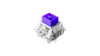
ホール効果スイッチは、接点をステム内の磁石とPCB上のセンサーに置き換えています。センサーはキーの移動に伴って磁石の位置を継続的に追跡し、キーを押すたびにアナログ信号に変換します。キーボードは指が移動範囲内のどの位置にあるかを正確に把握できるため、アクチュエーション調整やラピッドトリガーに対応できます。

キーの反応速度を向上させる調整可能な作動機構
調整可能なアクチュエーション機能により、キーストロークが認識される正確な深さを設定できます。ほとんどのホール効果式キーボードは、0.1mmから3.4mmまでのスイッチストロークに対応しています。ストロークを短く設定すると、キーを押した瞬間に反応するため、ValorantやCS2などのゲームでストレイフ操作を行う際の反応時間を数ミリ秒短縮できます。
トレードオフは、意図しないトリガーが発生することです。アクチュエーションを0.2mm未満に設定すると、指の重さだけでキーが作動してしまうことがあります。ほとんどの競技プレイヤーは、移動バインドを0.2mm未満に設定しています。 0.3 mmと0.5 mm誤作動を防ぐため、アビリティキーを1.0mm以上に設定する。
よりクリーンな停止とリセットを実現する高速トリガー
ラピッドトリガー 機械式スイッチが再登録する前に必要な固定リセット距離をなくします。標準的な機械式キーは、およそ 1.5~2mmの上方への移動 リセットするため。この間隔は、キャラクターが射撃する前に完全に停止する必要があるカウンターストレイフの速度を直接低下させます。
Rapid Trigger が有効になっている場合、指の方向が反転した瞬間にキーが再登録されます。現在最も精度の高い実装では、0.01 mm の反転を検出し、移動ペナルティが射撃精度に直接影響する Valorant や CS2 でキャラクターが著しく速く停止できるようになります。 ラピッドトリガーキーボード これは、カウンターストレイフ中にこのリセット動作がなぜ重要なのかを説明するものです。
より安定したタイミングを実現する低遅延入力
ポーリングレートは、キーボードがPCに入力情報を報告する頻度を制御します。標準的なゲーミングキーボードは1,000Hz(1ミリ秒に1回)でポーリングします。 ホール効果キーボード 8,000 Hz に達すると、間隔は 0.125 ms に短縮されます。
その差は1回のキー入力では気づきにくいですが、1ラウンドあたり数百回の入力では、ポーリング間隔を短くすることで、キー入力からゲームがそれを認識するまでの時間が短縮されます。ポーリングレートだけでは全体のレイテンシーは決まりません。スキャンレート、ファームウェアの速度、USB処理速度など、入力経路全体に時間がかかる要素が多数存在するため、8,000Hzのキーボードでも内部スキャンが遅いと遅延が発生します。
FPSプレイヤーにおすすめのホール効果キーボード トップ5
このリストに掲載されているキーボードはすべて、競合製品に求められる最低限の基準を満たしています。具体的には、磁気スイッチ、調整可能なラピッドトリガー、そして1,000Hz以上のポーリングレートです。真の差別化要因は、ファームウェアと内部スキャンレートがこれらの仕様をどれだけ効果的に実現しているかにあります。
|
モデル |
レイアウト |
世論調査 |
RTフロア |
建てる |
|---|---|---|---|---|
|
メルギーク・ケンタウリ80 |
80%(83キー) |
8,000 Hz |
0.01 mm |
CNCアルミニウム |
|
MelGeek MADE68 Ultra V2 |
68%(68キー) |
8,000 Hz |
0.01 mm |
CNCアルミニウム |
|
ウーティング60HE+ |
60%(61キー) |
1,000 Hz |
調整可能 |
ABS樹脂 |
|
IQUNIX EV63 |
60%(64キー) |
8,000 Hz |
0.01 mm |
CNCアルミニウム |
|
ASUS ROG Azoth 96 HE |
96% |
8,000 Hz |
0.01 mm |
メタルフレーム |
メルギーク・ケンタウリ80
メルギーク・ケンタウリ80 83キーのホール効果キーボード、Super Dockコマンドコンソール、そして325PPIの1.78インチOLEDタッチスクリーンを搭載しています。スクリーンはJPG、PNG、GIF形式の壁紙アップロードに対応しており、このクラスのキーボードにはない視覚的な操作性を提供します。
[product=centauri-hall-effect-gaming-keyboard|variants=Centauri80 / US,Centauri80 / EU,Centauri80 / Others,Centauri80+Horus(White) / US,Centauri80+Horus(White) / EU,Centauri80+Horus(White) / Others,Centauri80+Horus(Black) / US,Centauri80+Horus(Black) / EU,Centauri80+Horus(Black) / Others]
Centauri80は、8Kポーリング、0.01mmのラピッドトリガー、スナップタップ、OLEDスーパードックを、CNC加工アルミニウム製の83キーレイアウトに組み合わせたキーボードです。
[/製品]
Snap Tap は反対のキーを離す必要なく瞬時に方向停止を処理し、 スナップタップとは 特にFPSの動きに関係します。特許取得済みの磁気シールド設計により、キー間の干渉が60%削減され、複数のキーが同時に押下された場合でもアクチュエーション読み取りがクリーンになります。フルCNCアルミニウム合金ボディは、5層構造の音響システムとFlip King磁気ホワイトスイッチと組み合わされ、ホットスワップソケットをサポートしています。このレビュー対象の80%キーボードの中で、Centauri 80は価格に対して最も充実した機能セットを提供します。

MelGeek MADE68 Ultra V2
メルギーク MADE68 ウルトラ V2 FPS入力性能と360°モジュラーライティングシステムを組み合わせた製品です。キーボードの3面を覆うフルビューパノラマRGBライトバーは、AIライティングジェネレーター、Valorantゲーム同期ライティング、音楽リズムライティング、スクリーン同期ライティングを備えたHive 2.0によって駆動されます。
[product=made68-ultra-v2-gaming-keyboard|variants=US / ナイトパープル (KOM Lite マグネティックスイッチ),US / ナイトパープル (フリップキング マグネティックスイッチ),US / フロストホワイト (フリップキング マグネティックスイッチ),US / ブルームピンク (フリップキング マグネティックスイッチ)、US / クラシックホワイト (フリップキング マグネティックスイッチ),EU / ナイトパープル (KOM Lite マグネティックスイッチ),EU / ナイトパープル (フリップキング マグネティックスイッチ),EU / フロストホワイト (フリップキング マグネティックスイッチ),EU / ブルームピンク (フリップキング マグネティックスイッチ)、EU / クラシックホワイト (フリップキング マグネティックスイッチ),その他 / ナイトパープル (KOM Lite マグネティックスイッチ),その他 / ナイトパープル (フリップキング マグネティックスイッチ),その他 / フロストホワイト (フリップキング マグネティックスイッチ),その他 / ブルームピンク (フリップキング マグネティックスイッチ)、その他 / クラシックホワイト (フリップキング マグネティックスイッチ)]
MADE68 Ultra V2は、8Kポーリング、0.01mmラピッドトリガー、Hive 2.0コントロール、360°RGBライティングを、コンパクトなアルミニウム製68キーレイアウトに統合しています。
[/製品]
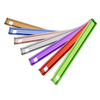
主な差別化要因はモジュール性です。MADE68 Ultra V2は、11種類の交換可能なサイドパネル(CNCアルミニウム、ポリマー、カーボンファイバー)と10種類のライトガイドパネルデザインに対応しています。プレイヤーは、カスタム3DプリントDIYオプションでセットアップを拡張することもできます。フルアルミニウム合金シャーシは、5層の防音フォームを備えたシリコンダンピングガスケットマウントに取り付けられています。ダイナミックキーストロークは、ゲーム内のアビリティコンボのために、1つのキーに最大4つのアクションをマッピングします。
[製品=made68-accessories-set]
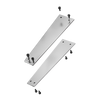
このアクセサリーセットには、交換可能なサイドパネルとライトガイドパーツが含まれており、MADE68 Ultra V2のモジュール式カスタムセットアップスタイルにマッチします。
[/製品]
MelGeekは、VALORANTのプロゲーマーであるzekken(MIBR)とCortezia(Sentinels)にMADE68 Ultra V2を紹介しました。このリストにある他のキーボードは、競技用FPSのスペックと視覚的なカスタマイズ性を兼ね備えたこのキーボードには及びません。
|
スペック |
詳細 |
|---|---|
|
レイアウト |
68キー、ANSI規格 |
|
ポーリング/スキャンレート |
8,000 Hz / 16,000 Hz |
|
レイテンシー |
0.125ミリ秒 |
|
ラピッドトリガー |
0.01~2.5 mm |
|
作動範囲 |
0.1~3.4 mm |
|
スイッチ |
KOM LiteまたはFlip Kingマグネット |
|
繋がり |
有線接続(USB-C) |
|
建てる |
フルアルミニウム合金製のシャーシとサイドパネル |
|
エクストラ |
360°RGBライトバー、Hive 2.0、AIライティング、Valorant Sync、ダイナミックキーストローク |
|
ソフトウェア |
HIVE 2.0 |
|
カラーバリエーション |
ナイトパープル、クラシックブラック、フロストホワイト、ブームピンク |
ウーティング60HE+
Wooting 60HE+は、ラピッドトリガーを主流へと押し上げたキーボードです。Wootilityは、キーごとの作動マッピングやアナログ入力プロファイルなど、現在でも最も洗練された設定ツールの1つです。
およそ 175ドル~190ドル60HE+はソフトウェアの充実度では依然として競争力があるものの、1,000HzのポーリングレートとABS樹脂製のトレイマウント構造が、その競争力の限界を制限している。
IQUNIX EV63
IQUNIX EV63は、8,000Hzのポーリングレートと0.01mmのラピッドトリガーに加え、CNC加工アルミニウムシャーシと鍛造カーボンアクセントを採用しています。64キーレイアウトは矢印キーを残しつつ、マウス全体の幅を狭くすることで最大限のマウススペースを確保しています。価格は約169ドルから210ドルで、EV63はプレミアムな作りと最高レベルのスペックを実現していますが、ウェブベースのソフトウェアはWootilityやHive 2.0のような詳細なプロファイル設定機能には欠けています。
ASUS ROG Azoth 96 HE
ASUS ROG Azoth 96 HEは、このリストの中では異色の存在です。96%レイアウトでありながら、テンキーとファンクションキーの列をフルサイズで備え、無駄なスペースを最小限に抑えているため、FPSゲームと生産性の両方に対応できる数少ないホール効果キーボードの一つとなっています。
有線モードと2.4GHz無線モードの両方で8,000Hzのポーリングレートを実現し、3つの接続モードに対応、1.47インチのOLEDタッチスクリーンを搭載しています。96%レイアウトのためマウス操作スペースはやや狭く、価格は約350~360ドルと、ほとんどのコンパクトモデルの2倍近くします。
FPS環境に最適なホール効果キーボードの選び方
8,000Hzのポーリングレートは注目を集めますが、レイアウトサイズとラピッドトリガーの有効範囲は、日々のゲームプレイに即効性のある影響を与えます。 メルギーク ホール効果キーボードにおけるFPS設定の選択肢に焦点を当て、コンパクトなレイアウト、調整可能なアクチュエーション、キーごとのトリガー制御などについて解説します。
レイアウトとマウススペース
レイアウトサイズはマウスのスペースに直接影響します。60%または65%キーボードでは、低感度マウス操作のために10~15cmのマウスパッドスペースが確保されます。80%レイアウトではファンクションキーが追加され、場合によってはノブやOLEDスクリーンが追加されます。96%レイアウトではテンキーは残りますが、マウスのスペースが狭くなります。ほとんどのFPSプレイヤーにとって、60~68%が最も信頼できる選択肢ですが、 キーボードのサイズとレイアウトに関する購入ガイド 毎日の鍵のアクセスも重要な場合は役立ちます。
高速トリガーと作動範囲
キーボードによっては、方向転換を0.01mmで検知するものもあれば、0.1mmから検知するものもあります。この10倍の差が、カウンターストレイフの速度に影響します。作動範囲が広い(0.1~3.4mm以上)キーボードであれば、移動キーを浅く、アビリティキーを深く設定できます。購入前に、RTの最低作動範囲と最大作動範囲の両方を確認してください。
ポーリングレートとレイテンシ
ValorantやCS2でダイヤモンドランク以上でプレイするなら、4,000~8,000Hzのポーリングレートはコストに見合う価値があります。それ以下のランクでは、ポーリング速度だけよりも、ラピッドトリガーの精度と作動タイミングの調整の方が大きな効果を発揮します。
ソフトウェアのチューニングとプロファイル
最も強力なツールを使えば、キーごとの作動、ラピッドトリガーの感度、デッドゾーンを調整したり、再起動せずにゲームプロファイルを切り替えたりできます。Wootility、Hive 2.0、Armoury Crateは、その詳細さで群を抜いています。購入前に、対応OSと有効なファームウェアアップデートを確認してください。
ビルド品質とタイピング感
アルミニウム合金製の本体は、ABS樹脂製のものよりも安定感があり、打鍵音もクリアです。多層制振材(フォーム、シリコン、ポロン)を使用したガスケットマウントは、長時間のタイピングで疲労の原因となる空洞音を軽減します。打鍵感を重視するなら、ケース素材だけでなく、マウントの種類と制振材を優先すべきです。
OLED、RGB、ワイヤレスなどの追加機能
これらの機能はFPSの入力パフォーマンスには影響しません。ワイヤレス接続は柔軟性を高めますが、キーボードがUSB接続だけでなく、2.4GHz帯での8,000Hzポーリングに対応していることを確認してください。Bluetooth接続だけでは、競技レベルのFPSにおけるレイテンシー要件を満たせません。
ホール効果キーボードを購入する際に避けるべき間違い
販売仕様書では、ピーク時のポーリングレートを強調する一方で、内部スキャンレートの遅さや磁気センサーの不安定さといった問題点を伏せていることがよくあります。購入前に、これらのハードウェア上のボトルネックがないか必ず確認してください。
ホール効果スイッチタイプを無視する
ホール効果スイッチは、磁力、作動力、センシング設計にばらつきがあります。低品質のセンサーを搭載したキーボードは、ラピッドトリガーを謳っていても、浅い作動ポイントでは読み取り値が不安定になる場合があります。購入前にスイッチのモデルと作動力を確認し、アップグレードの柔軟性を考慮してホットスワップ対応のキーボードを選びましょう。
8K世論調査を最優先する
8,000Hzのポーリングレートでも、キーボードのスキャンレートやファームウェアが遅い場合は、入力速度の向上は保証されません。ポーリングレートよりも、ラピッドトリガーの精度と作動範囲を優先してください。
レイアウト前にOLEDまたはRGBを選択する
画面や照明を基準にキーボードを選ぶと、マウス操作スペースが狭すぎるレイアウトを選んでしまうことがよくあります。まずはレイアウトサイズと性能仕様を確認しましょう。OLED、RGB、ワイヤレス機能は、FPSの入力要件を満たしてから検討すれば良いのです。
よくある質問
ホール効果キーボードはFPSゲームに適しているのでしょうか?
ホール効果式キーボードは、FPSゲームにおいてメカニカルキーボードに比べて明らかに優れた入力性能を発揮します。ラピッドトリガー機能により、カウンターストレイフ動作を遅らせる固定リセット距離が解消され、アクチュエーション調整機能によってキーバインドごとに感度を細かく設定できます。これらの機能は、ValorantやCS2における移動タイミングに直接影響を与えます。
ホール効果キーボードは実際にエイム精度を向上させるのか?
キーボードは直接的にエイムを向上させるものではありません。エイムはマウス操作、感度、そして練習によって決まります。ホール効果ラピッドトリガーは移動精度を向上させ、射撃前にキャラクターがより速く完全に停止できるようになります。キーボードは照準の位置やトラッキングスキルには影響しません。
8Kポーリングレートはキーボードの高速化に十分でしょうか?
8,000Hzのポーリングレートだけでは、入力速度の向上は保証されません。全体のレイテンシーは、スキャンレート、ファームウェアの処理、USB処理にも左右されます。8,000Hzのポーリングレートでも内部スキャンが遅いキーボードは、最適化された1,000Hzのキーボードよりも優れたパフォーマンスを発揮することはできません。
FPSゲームに最適な作動設定は何ですか?
多くの競技系FPSプレイヤーは、誤作動を防ぐため、移動キーを0.3mm~0.5mm、アビリティキーを1.0mm以上に設定します。まずは0.5mmから始めて、誤作動が発生するまで徐々に下げていき、発生したら1段階戻してください。
ホール効果キーボードは日常的なタイピングに適していますか?
ホール効果式キーボードは、ガスケットマウントと防音材を併用すれば、日常的なタイピングに最適です。アナログスイッチは、タクタイル感のない滑らかな打鍵感です。誤入力を減らすため、タイピング時はアクチュエーションポイントを1.5~2.0mmに設定し、ゲームプレイ時は浅めの設定に切り替えてください。