

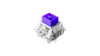




Mechanical keyboards feel different because the switch, spring, keycap, mounting structure, plate, case, and sound-dampening materials all affect each keypress. Individual switches provide more control over feedback and sound than most membrane designs, but no single keyboard feel suits every user.
Keyboard feel is highly subjective. A smooth and light switch may feel fast to one user but overly sensitive to another. A strong tactile bump may provide useful confirmation or become tiring during long typing sessions. Sound preferences also vary, from quiet and muted to crisp and pronounced. The following descriptions reflect common user experiences rather than universal rankings.

Overview of Mechanical Keyboards
Mechanical keyboards are distinct from modern membrane keyboards in that the latter have an underlying switch beneath every key. This involves keyboard mechanism use of a spring and a pair of metallic rods that registers the keystroke, and gives a tactile and an audible feedback. Mechanical keyboards have keys connected to individual switches beneath them, which makes them different from largely used membrane keyboards of the modern world.
Importance of Keyboard Feel in User Experience
Keyboard feedback is an essential factor that may determine users’ satisfaction and productivity. The science behind mechanical keyboards is superior for typing, we need to look at what causal factors exist concerning this phenomenon. Mechanical keyboards offer haptic feedback, physical sound, and a solid feeling, which decreases errors, increases typing speed, and causes less strain, making them useful for business people.
Brief History of Mechanical Keyboards
Mechanical keyboards, from the inception of computing, have remained relevant due to their rigidity and efficiency compared to membrane keyboards that are cheaper to manufacture. Many modern mechanical keyboards emulate the key-top design of the original typewriter keys while including modern features and durable construction for longevity. It is through knowing the benefits of mechanical keyboards that one can be in a position of understanding why mechanical keyboards are preferred and used by users in today’s computer system.
What Makes a Mechanical Keyboard Feel Different?
A magnetic switch keyboard uses an individual switch beneath each key. Most membrane keyboards rely on rubber domes and membrane layers, which usually produce a softer and less defined press. The difference affects feedback, sound, customization, and long-term consistency.
| Factor | Mechanical Keyboard | Membrane Keyboard |
|---|---|---|
| Key feel | More defined and easier to customize | Usually softer with less distinct feedback |
| Actuation | Each key uses an individual switch | Keys press a rubber dome or membrane layer |
| Sound | Changes with the switch, keycaps, plate, case, and foam | Usually quieter with a softer bottom-out sound |
| Customization | May support switch, keycap, stabilizer, foam, and software changes | Usually offers fewer hardware options |
| Best for | Typing feel, gaming control, repairability, and customization | Basic office use, quieter environments, and lower budgets |
Mechanical keyboards are not automatically louder, faster, or more comfortable. A quiet linear mechanical keyboard may produce less noise than a poorly dampened keyboard, while a heavy switch may require more finger force than a typical membrane keyboard. The final experience depends on the complete keyboard design.
Key Switches: The Heart of Mechanical Keyboards
Key switches shape how each press feels, sounds, and responds, making them the main factor behind a mechanical keyboard’s typing experience.

Types of Mechanical Switches
Linear Switches
Linear switches allow for instant key press without any tactile feel that is preferable if one has to type fast or play games that demand quick actions on the keyboard. This comes handy in gaming since there is no tactile feedback as is the case with traditional controllers.
Tactile Switches
Tactile switches have a domed shape with a central convexity that speaks of the actuation point; such switches are appreciated by typists due to their enhanced precision and comfort.
Clicky Switches
Clicky switches also facilitate satisfying typing experiences that come with tactile feedback and audible click sounds when typing. They are preferred by users who like feedback through sound, but are noisy to those who use the computer in a communal setting.
How Mechanical Switches Work
Mechanical switches work through a mechanical component that records the pressing of each of the keys. Mechanical keyboards differentiate with individual switches for each key and offer quality and performance as compared to membrane keyboards.
Comparison of Switch Brands (Cherry MX, Razer, Romer-G, etc.)
Cherry MX, Razer, and Romer-G come with reliability, variety, options that are better for gaming, and the game of longevity. Switch choice is very personal because each brand has a different feel when touched and played, and a different sound and performance. Notably, do mechanical keyboards last longer? Yes, their durable design indicates they withstand the other types, giving them a higher chance of lasting longer than other types.
Which Keyboard Feel Fits Your Preference?
The right keyboard feel depends on how much feedback, resistance, sound, and key travel you prefer during typing or gaming.
Choose Linear Switches for Smooth Key Travel
Linear switches suit users who prefer a continuous press without a tactile interruption. They are commonly used for gaming and fast repeated inputs. Medium spring weights may provide better control when very light switches feel too sensitive.
Choose Tactile Switches for Clear Feedback
Tactile switches suit users who want physical confirmation during each keypress. A light bump may work well for mixed office use, while a sharper bump provides stronger feedback.
Choose Clicky Switches for Audible Confirmation
Clicky switches suit users who enjoy clear sound and a noticeable actuation event. Noise should be considered when the keyboard is used around coworkers, family members, or during calls.
Choose a Softer Structure for Cushioned Typing
A gasket structure, flexible plate, and controlled internal damping may create a softer landing. Users who prefer a firm and immediate response may favor a more rigid plate and mounting structure.
Choose Adjustable Actuation for Gaming Control
A Hall Effect keyboard reads key movement through magnetic sensing, allowing users to adjust the trigger depth. A shallow setting may suit fast inputs, while a deeper setting can reduce accidental presses.
Rapid Trigger adjusts the reset point according to key movement, supporting faster repeated inputs and direction changes. The most suitable setting depends on the game and the user’s control style.
Mechanisms of Tactile Feedback in Mechanical Keyboards
Tactile feedback comes from the interaction between the switch spring, stem, actuation point, and bottom-out movement.
What is Tactile Feedback?
Tactile feedback is an important element of an enriched typing experience as it deals with the physical feeling one gets when pressing a key on a keyboard. Mechanical keyboards where each key has its switch offer improved feedback and feedback which makes typing more enjoyable and accurate.
The Role of Actuation Force
The science behind mechanical keyboards is important to state that the actuation force is the amount of force a key needs to be pressed. Mechanical keyboards provide specialized feel to touch as they do not cause strain during typing and are more recommended for gaming and typing unlike membrane keyboards.
The Impact of Actuation Point
Regarding the benefits of a mechanical keyboard, the actuation point is the essential factor, which is the depth of the keypress. Mechanical keyboards stand out for having a specific actuation profile, which promotes speed and offers a pleasant tactile feedback, which sets them apart from the others.
The Significance of Bottoming Out
In a mechanical keyboard, the phenomenon referred to as bottoming out, that is, pushing a key all the way down is an interesting one. Mechanical keyboards provide an immediate touch for typing and their design is long-lasting because of their build and the switches, giving them a good tactile feel and longevity.
What Are the Benefits of Mechanical Keyboards?
Mechanical keyboards provide more defined feedback, wider customization options, and greater control over how each key feels and responds. The actual benefits depend on the switch, keyboard structure, and user preferences.
Clearer Keypress Feedback
Individual switches can provide smooth linear movement, a noticeable tactile bump, or an audible click. This feedback helps users recognize each keypress without relying entirely on bottoming out.
More Control for Typing and Gaming
Different switch forces and travel distances let users choose between lighter, faster inputs and firmer, more deliberate presses. Hall Effect keyboards add adjustable actuation and Rapid Trigger for users who want more control over trigger and reset behavior.
More Customization Options
Many mechanical keyboards support replaceable keycaps, remapped keys, lighting controls, and programmable profiles. Hot-swappable models also allow compatible switches to be changed without soldering, making it easier to adjust the feel over time.
Better Repairability and Long-Term Use
Individual switches, keycaps, and stabilizers can often be cleaned, tuned, or replaced separately. This modular design may extend the useful life of the keyboard compared with designs that require the entire unit to be replaced after one component fails.
A Wider Range of Sound and Feel
Switches, keycaps, plate materials, mounting structures, and internal damping create different sound and feedback profiles. Users can choose a quiet and cushioned keyboard, a firm and crisp setup, or something between the two.
Mechanical Keyboards in Different Use Cases

Mechanical keyboards are commonly used for office typing, gaming, programming, and creative work because users can choose different switch feedback, layouts, and key functions. The practical value depends on whether the keyboard matches the user’s workload and preferred feel.
Use Mechanical Keyboards for Typing and Office Work
Writers, office users, and frequent typists may prefer mechanical keyboards for their more defined key feedback and wider choice of switch forces. Tactile switches can provide physical confirmation, while quieter linear switches may be more suitable for shared workspaces.
Layout also matters for daily productivity. Full-size and 75% keyboards retain more dedicated keys, while compact layouts reduce desk space but may place some functions on secondary layers.
Use Mechanical Keyboards for Gaming
Gamers often choose mechanical keyboards for consistent key movement, customizable layouts, and faster repeated inputs. Linear switches are common for smooth movement, while Hall Effect keyboards add adjustable actuation and Rapid Trigger for more control over trigger and reset behavior.
Compact layouts can also leave more room for wide mouse movement, although players who rely on function keys or extra commands may prefer a larger keyboard.
Use Mechanical Keyboards for Programming and Creative Work
Programmers, designers, editors, and other creative users may benefit from programmable keys, macros, shortcuts, and customizable layouts. These features can reduce repeated mouse movements and keep frequently used commands within reach.
The preferred switch still depends on the task. Lighter switches may suit fast input, tactile switches can provide clearer confirmation, and low-profile keyboards may feel more comfortable for users moving between a laptop and desktop setup.
How to Choose the Right Mechanical Keyboard
Keyboard feel is subjective, so compare the switch, layout, structure, and features based on how you type and play.
Choose the Right Switch Feel
Linear switches feel smooth, tactile switches provide a noticeable bump, and clicky switches add audible feedback. Users who prefer shorter travel and a lower typing height can consider the MelGeek O2 for Mac, which uses low-profile linear switches.
[product=o2-tri-mode-wireless-mechanical-keyboard]
MelGeek O2 for Mac. Shop now.
[/product]
Choose a Practical Layout
Compact layouts leave more room for mouse movement, while larger layouts retain more shortcuts. Consider whether you need a function row, arrow keys, or a number pad before choosing a size.
Compare Structure and Sound
Case material, mounting structure, foam, and keycaps affect firmness and sound. The MelGeek MADE68 Ultra V2 combines an aluminum chassis, silicone-dampened gasket structure, and five-layer sound package for users who prefer stable construction with cushioned feedback.
[product=made68-ultra-v2-gaming-keyboard]
MADE68 Ultra V2: 8K speed, precise control. Shop now.
[/product]
Check the Gaming Features
Hall Effect keyboards support adjustable actuation and Rapid Trigger, giving users more control over trigger depth and reset behavior. These features suit fast gaming inputs, while office users may care more about switch force, keyboard height, and sound.
Before buying, compare the switch force, layout, keyboard height, sound level, and return policy.
Tips for Maintenance and Care Mechanical Keyboards
Regular cleaning and simple upkeep help preserve key feel, reduce noise, and prevent dust from affecting switch performance.
Cleaning and Upkeep Tips
Mechanical keyboards should be cleaned frequently to avoid accumulation of dust on their keys. Air blow and damp cloth are recommended to remove contamination, and it is recommended not to use aggressive and corrosive cleaners, and to buy a cap puller for cleaning beneath keycaps.
Repair and Replacement of Components
Mechanical keyboards are highly resistant and can last a long time but if something happens or a part wears out then it would need repair or replacement. If a key is sticky or unresponsive to press, remove and replace the switch as most keyboards offer the possibility to swap out switches. Keycaps should also be occasionally inspected for signs of loosening or damage to the respective keyboard mechanism.
Conclusion
Mechanical keyboards stand out for their distinct feedback, customization options, and durable construction, making them popular among gamers, programmers, and frequent typists. Individual switches let users choose different sounds, pressures, and response styles, which can make typing and gaming feel more controlled and enjoyable.
Mechanical keyboards continue to develop through improved switch designs, new materials, stronger wireless performance, and broader visual customization. Their long-term value still depends on the specific keyboard design, build quality, and whether the feel matches the user’s preferences.
FAQs
What Makes Mechanical Keyboards Different from Other Keyboards?
Mechanical keyboards have specialized mechanical switches beneath the keycap for all keys, while membrane keyboards have a single rubber dome for all keys.
Are Mechanical Keyboards Worth the Investment?
Yes, mechanical keyboards are worth the investment due to enhanced typing, durability and functions making them suitable for gaming as well as business uses.
How Do I Choose the Right Mechanical Keyboard for Me?
Switch preferences can include tactile, clicky, or linear; size of keyboard, full size, tenkeyless, and compact keyboard; backlighting; build quality; and ergonomics.
What are the Most Popular Mechanical Switches?
Some of the most popular mechanical switches include Cherry MX – Blue, Red, Brown, Green switches, Razer, and Romer – G, which provide different unique touch, sound, and key actuations forces.
How Do I Maintain My Mechanical Keyboard for Longevity?
To maintain your mechanical keyboard for a long time, one should clean it with compressed air, avoid spilling any liquids on it and in some instances consider having the key caps removed and cleaned to avoid debris accumulation.