







Mechanical keyboards offer more control over key feel, sound, and layout. Each key uses an individual switch, giving clearer feedback and more customization than membrane keyboards.
The benefits depend on the user. Typists may prefer consistent feedback, while gamers often focus on key rollover and compact layouts. Overall feel is subjective, so switch force, sound, and travel should guide the choice.
What Is a Mechanical Keyboard?

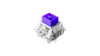
A mechanical keyboard uses an individual switch beneath each key. Most traditional mechanical switches contain a stem, spring, housing, and electrical contact that registers the keypress.
This design differs from a membrane keyboard, which usually uses rubber domes over shared circuit layers. Individual switches create clearer feedback and give users more options for changing the sound, force, travel, and appearance of the keyboard.
Mechanical keyboards are used for typing, gaming, coding, editing, office work, and other tasks that involve frequent keyboard input.
Importance of Keyboards for Typists and Gamers

The benefits of mechanical keyboard are high levels of precision and sensitivity are provided by mechanical keyboards. And if you ask me what are the benefits of a mechanical keyboard would like to say the keys' quicker keystroke registration feature might be especially helpful for speedy typists or gamers who require quick reactions. Furthermore, key rollover on mechanical keyboards is typically better than that on membrane keyboards.
What Are the Main Parts of a Mechanical Keyboard?
A mechanical keyboard combines switches, a PCB, a plate, a case, and keycaps. Each component affects input registration, sound, stability, and typing feel.
Mechanical Switches
Mechanical switches create the most noticeable differences in key feel and sound. Most models fall into three broad categories.
Linear switches move smoothly without a tactile bump. They suit users who prefer consistent travel and repeated keypresses.
Tactile switches create a noticeable bump during the press, helping users feel when the input has registered.
Clicky switches combine tactile feedback with an audible click. They provide strong confirmation but may feel distracting in shared spaces.
No switch type is universally better. The right choice depends on preferred force, sound, travel, and feedback.
Printed Circuit Board
The printed circuit board, or PCB, detects switch input and sends the corresponding signal to the computer. Depending on the model, the PCB may also control RGB lighting, wireless connections, macros, key remapping, and onboard profiles.
A hot-swappable PCB lets users remove compatible switches without soldering. This makes it easier to test different switches or replace a damaged switch. Compatibility still needs to be checked because mechanical and magnetic switches do not use the same sensing system.
Plate
The plate holds the switches in position and affects typing stiffness, sound, and stability. Common materials include aluminum, polycarbonate, FR4, brass, and carbon fiber.
A rigid plate usually creates firmer feedback, while a more flexible plate may produce a softer feel. The final result also depends on the mounting structure, case, switches, and internal padding.
Case and Layout
The case holds the keyboard together and affects weight, resonance, durability, and desk presence. Common materials include plastic, aluminum, acrylic, and wood.
Keyboard layouts include 60%, 65%, 75%, tenkeyless, 96%, and full-size. A 60% or 65% keyboard saves desk space, while a 75% layout usually adds a function row. A tenkeyless keyboard removes the number pad but keeps most navigation keys. Full-size keyboards include the number pad and the widest range of dedicated keys.
Choose the layout based on desk space, mouse movement, shortcut use, and whether you need a number pad.
Keycaps
Keycaps affect texture, sound, height, and appearance. ABS and PBT are the most common materials.
ABS keycaps often feel smoother and may develop visible shine over time. PBT keycaps usually have a more textured surface and tend to resist shine for longer.
Keycap profile also changes wrist angle and finger movement. Low-profile keycaps reduce overall height, while taller sculpted profiles create more noticeable differences between rows.
What Affects Mechanical Keyboard Feel?
Switches matter, but they do not determine the entire experience. Several components work together whenever a key is pressed.
Switch Force and Travel
Light switches require less pressure and may feel faster during repeated input. Heavier switches provide more resistance but may cause fatigue during long typing sessions. Total travel also affects whether the key feels short and immediate or deep and deliberate.
Mounting Structure and Plate Material
Tray-mounted keyboards often feel firmer, while gasket-mounted models may provide more movement and softer bottom-out feedback. Plate material further changes stiffness and sound.
Keycaps and Stabilizers
Keycap thickness, material, and profile affect sound and finger position. Stabilizers support larger keys such as the space bar, Enter, and Shift. Poorly tuned stabilizers may create rattling or uneven movement.
Personal Preference
Keyboard feel is highly subjective. Some users prefer smooth linear switches, while others want a tactile bump, louder feedback, or stronger spring resistance. Product recommendations should be treated as general guidance rather than universal conclusions.
What Are the Benefits of a Mechanical Keyboard?
Benefits of a mechanical keyboard are that is superior to other types of keyboards for a number of reasons. Knowing this is vital while deciding whether or not to get one.
Benefits of Mechanical Keyboards for Typists
Mechanical keyboards can give frequent typists clearer feedback and more control over force, travel, and key shape. A suitable switch may help users maintain a consistent rhythm without pressing every key fully to the bottom.
Hot-swappable switches and replaceable keycaps also make maintenance easier. A worn or damaged component can often be replaced without discarding the entire keyboard.
Comfort still depends on switch weight, keyboard height, wrist position, and typing technique. A mechanical keyboard does not automatically prevent fatigue or typing errors.
Benefits of Mechanical Keyboards for Gamers

Mechanical keyboards can support gaming through reliable key rollover, programmable controls, compact layouts, and a wide choice of switch types.
Key rollover helps the keyboard register several simultaneous inputs, which matters in games that require movement, abilities, and modifier keys at the same time. Programmable keys and onboard profiles can also reduce reliance on complex key combinations.
Response time depends on the complete keyboard design, including scanning, firmware, polling rate, connection mode, and switch implementation. A keyboard should not be described as faster simply because it uses mechanical switches.
Magnetic gaming keyboards add adjustable actuation and movement-based Rapid Trigger settings. These features can support faster directional changes and repeated inputs, but they do not guarantee better aim or match results.
Mechanical Keyboards vs. Membrane Keyboards
Mechanical keyboards provide more switch choices, clearer feedback, and greater repair potential. Membrane keyboards are often quieter, lighter, and less expensive.
|
Feature |
Mechanical Keyboard |
Membrane Keyboard |
|
Input mechanism |
Individual switches |
Rubber domes and membrane layers |
|
Key feedback |
Varies by switch |
Usually softer and less defined |
|
Customization |
High |
Limited |
|
Repair options |
Individual parts may be replaceable |
Often replaced as one unit |
|
Typical price |
Higher |
Lower |
|
Noise |
Depends on switch and build |
Often quieter |
|
Best fit |
Users who value feel and customization |
Users who value simplicity and price |
The better option depends on budget, sound tolerance, typing preference, and how much customization the user needs.
How to Choose a Keyboard for Typing or Gaming
Start with the primary use case, then compare switch feel, layout, connection, software, and desk space.
Choose by Switch Feel
Choose linear switches for smooth travel, tactile switches for physical feedback, or clicky switches for stronger sound and confirmation. Test switch force when possible because light and heavy springs can feel very different during long sessions.
Choose by Layout
A 60% or 65% keyboard leaves more room for mouse movement. A 75% layout adds a function row for shortcuts and daily work. Tenkeyless and full-size layouts suit users who need more dedicated keys.
Choose by Connection and Software
Wired keyboards provide a direct connection, while Bluetooth and 2.4GHz support cleaner desks and multi-device use. Check whether the software supports the operating system, key remapping, macros, lighting, and profile storage.
For Typists and Mac Users
The MelGeek O2 for Mac uses a native Mac layout with familiar Command and Option positions and a full Mac function row. Its low-profile 75% design suits writing, coding, editing, and multi-device desk setups.
[product=o2-tri-mode-wireless-mechanical-keyboard]
A low-profile Mac keyboard for smooth multi-device work. Explore O2 for Mac.
[/product]
For Gamers
The MelGeek MADE68 Ultra V2 uses magnetic switches with adjustable actuation and Rapid Trigger settings. Its compact 68-key layout, wired 8,000Hz polling rate, aluminum chassis, and customizable lighting suit players who want more control over input behavior and desk appearance.
[product=made68-ultra-v2-gaming-keyboard]
Flagship Hall Effect speed with immersive RGB. Explore MADE68 Ultra V2.
[/product]
Keyboard feel remains subjective. Compare switch force, travel, sound, layout, and wrist position before choosing a model.
Maintenance and Cleaning Tips
Regular cleaning helps prevent dust, skin oils, and debris from affecting the keys and case.
Wipe the surface with a dry or lightly dampened microfiber cloth. Disconnect the keyboard before deeper cleaning, then take a photo of the key layout before removing keycaps.
Use a keycap puller and a soft brush to clean between the switches. Avoid spraying liquid directly onto the keyboard or allowing moisture to reach the PCB.
Check the manufacturer’s instructions before removing switches, opening the case, or applying lubricant. Not every keyboard uses the same assembly or warranty terms.
User Testimonials and Experiences
The way individuals interact with computers for work and play is being redefined by the incredible changes taking place in the mechanical keyboard market. Because of their tactile feedback and robustness, mechanical keyboards have become quite popular among pros, gamers, and enthusiasts. Compared to generic membrane keyboards, mechanical keyboard benefits the following advantages:
For me, I've always been fascinated with mechanical keyboards. It is difficult to express how wonderful each keystroke sounds.
Conclusion
Mechanical keyboards suit users who want more control over switch feel, sound, layout, and long-term maintenance. Typists may value defined feedback and replaceable parts, while gamers may prioritize key rollover, compact layouts, and configurable input settings.
A mechanical keyboard is not automatically more comfortable or faster than every alternative. Choose based on switch force, travel, mounting structure, keycap profile, desk space, and personal preference.
FAQ
Are Mechanical Keyboards Better for Typing?
Mechanical keyboards can provide clearer feedback and more switch choices, but comfort depends on switch force, keyboard height, keycap profile, and typing technique.
Are Mechanical Keyboards Better for Gaming?
They can support gaming through key rollover, programmable controls, and switch customization. Actual response time depends on the keyboard’s scanning, polling, firmware, and connection.
What Is a Mechanical Keyboard Good For?
Mechanical keyboards suit typing, gaming, coding, editing, office work, and users who want to customize switches, keycaps, sound, or layout.
Do Mechanical Keyboards Last Longer?
Many mechanical switches are rated for high numbers of keypresses, and individual parts may be replaceable. Actual lifespan still depends on build quality, maintenance, and usage.
Which Mechanical Switch Is Best for Beginners?
Light tactile or medium-weight linear switches are common starting points, but no switch works for everyone. Testing a switch sample is more reliable than choosing by color or category alone.